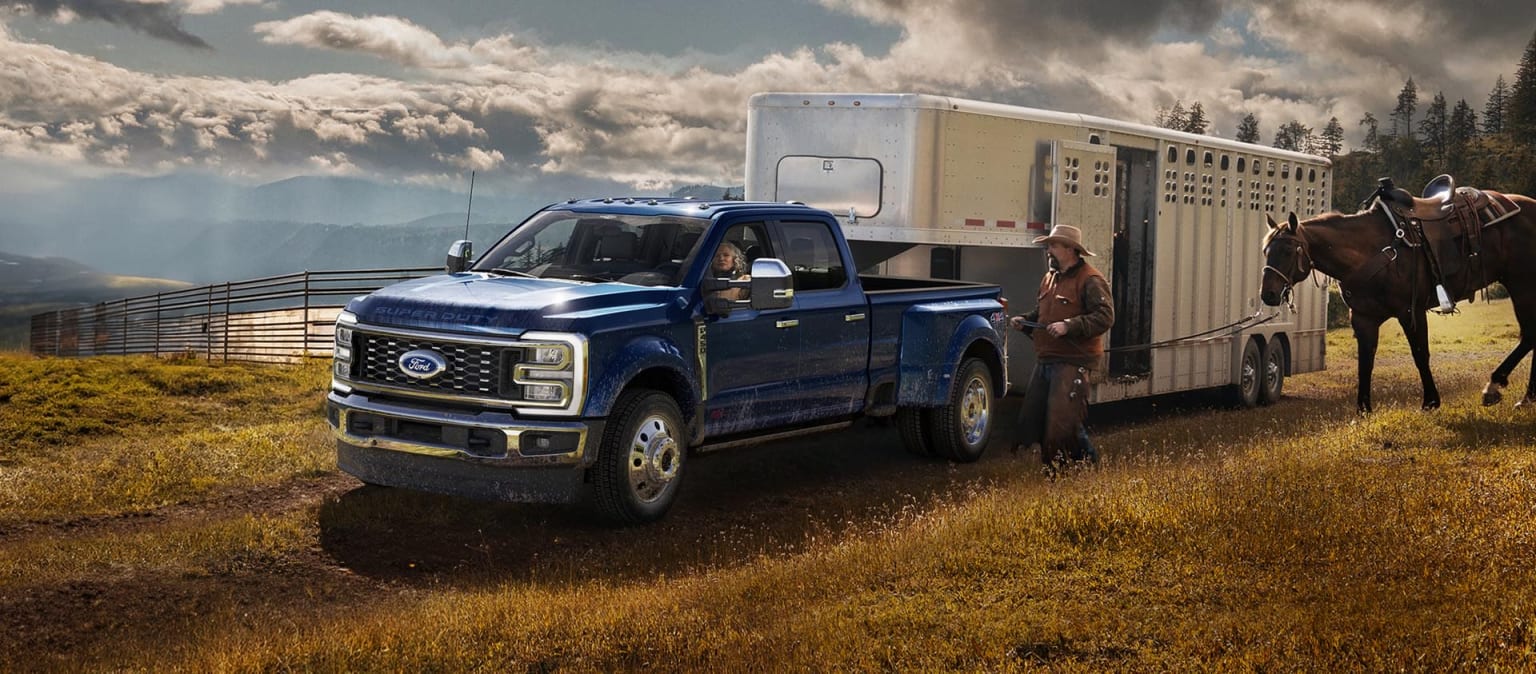
Super Duty F-250 vs F-350: Payload, Towing & Best Use Cases
If you’re comparing F-250 vs F-350, you’re already in the right mindset: spec the truck for the work, not the badge on the fender. Both are Super Duty beasts, but they’re built for slightly different missions. The short version? F-250 is the heavy-duty sweet spot for most buyers, while F-350 is the move when payload (and certain towing setups) become your everyday reality.
This guide breaks down the real F-250 vs F-350 differences(especially F-250 vs F-350 payload capacity and F-250 vs F-350 towing capacity) so you can choose confidently at J.C. Lewis Ford Pooler.
Quick compare ⏰
Here’s the easiest way to think about F-250 vs F-350 differences before we get into the weeds:
F-250
Best for: heavy towing + daily use, work + family, most contractors, most recreational towing
Big strength: strong capability with a simpler “right-sized” feel when comparing F-250 vs F-350
F-350
Best for: heavier payload, frequent hauling in the bed, gooseneck/5th-wheel users, upfits, serious work cycles
Big strength: added capacity “headroom” for real-world weight
F-250 vs F-350 Towing Capacity
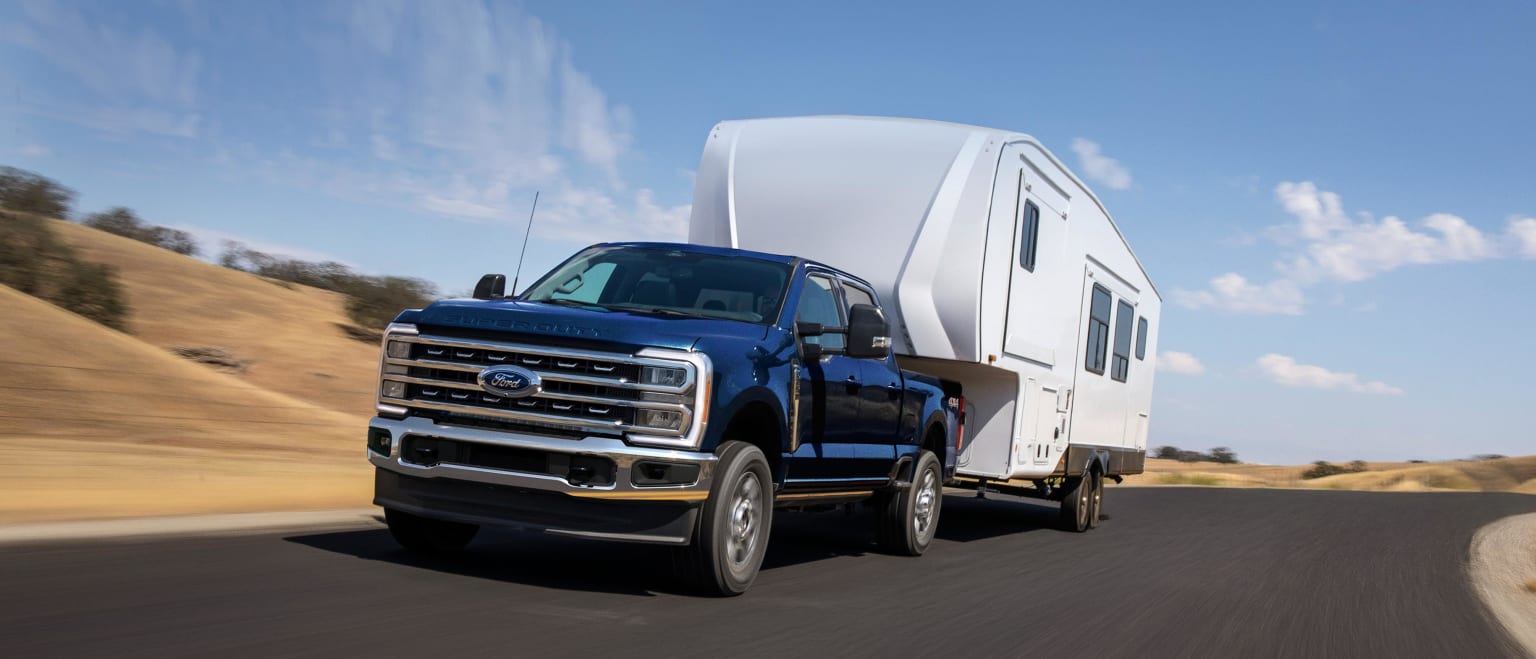
Here’s the honest truth about F-250 vs F-350 towing capacity: both can tow a lot, but the “winner” depends on how you tow.
💡 Big takeaway: The reason many buyers “need” an F-350 isn’t because the trailer is massive, it’s because the hitch weight + cargo + passengers push payload close to the limit on an F-250.
Conventional towing (bumper pull)
If you’re towing a boat, utility trailer, or a travel trailer:
F-250 is often more than enough when properly equipped
F-350 adds extra stability and capacity headroom when the trailer gets heavier or you tow frequently
Gooseneck / 5th-wheel towing
If you’re towing a gooseneck (or 5th-wheel style setup), F-350 tends to shine in the F-250 vs F-350 battle because:
Gooseneck setups put more weight directly into the bed (payload matters more)
The truck benefits from higher-rated configurations that support heavier “work trailer” life
Shop Super Duty
Beyond Towing: Size, Feel, and Everyday Differences ⚖️
Before you get deep into F-250 vs F-350 towing capacity and F-250 vs F-350 payload capacity, it helps to know this: in many configurations, these trucks can look very similar—because they’re built on the same Super Duty foundation. The “extra capability” in an F-350 often comes from how it’s equipped, not a totally different truck body.
Here are the most common F-250 vs F-350 differences shoppers notice beyond towing and payload:
Dimensions: In many builds, overall length, cab size, and bed length are the same when you compare the same cab/bed configuration.
Rear suspension and stance: F-350 models are more likely to have heavier-duty rear spring setups (and certain configurations can sit a bit differently), which can change the truck’s “loaded” feel and stability when you’re carrying weight daily.
Ride feel when empty: Because F-350 can be equipped for higher capacity, it can feel a touch firmer when unloaded compared to a similarly equipped F-250—especially on rough roads.
Upfit friendliness: If you’re adding a service body, flatbed, heavy toolbox setup, or other commercial equipment, F-350 often gives you more “buffer” and a better long-term match for the added weight between the F-250 vs F-350.
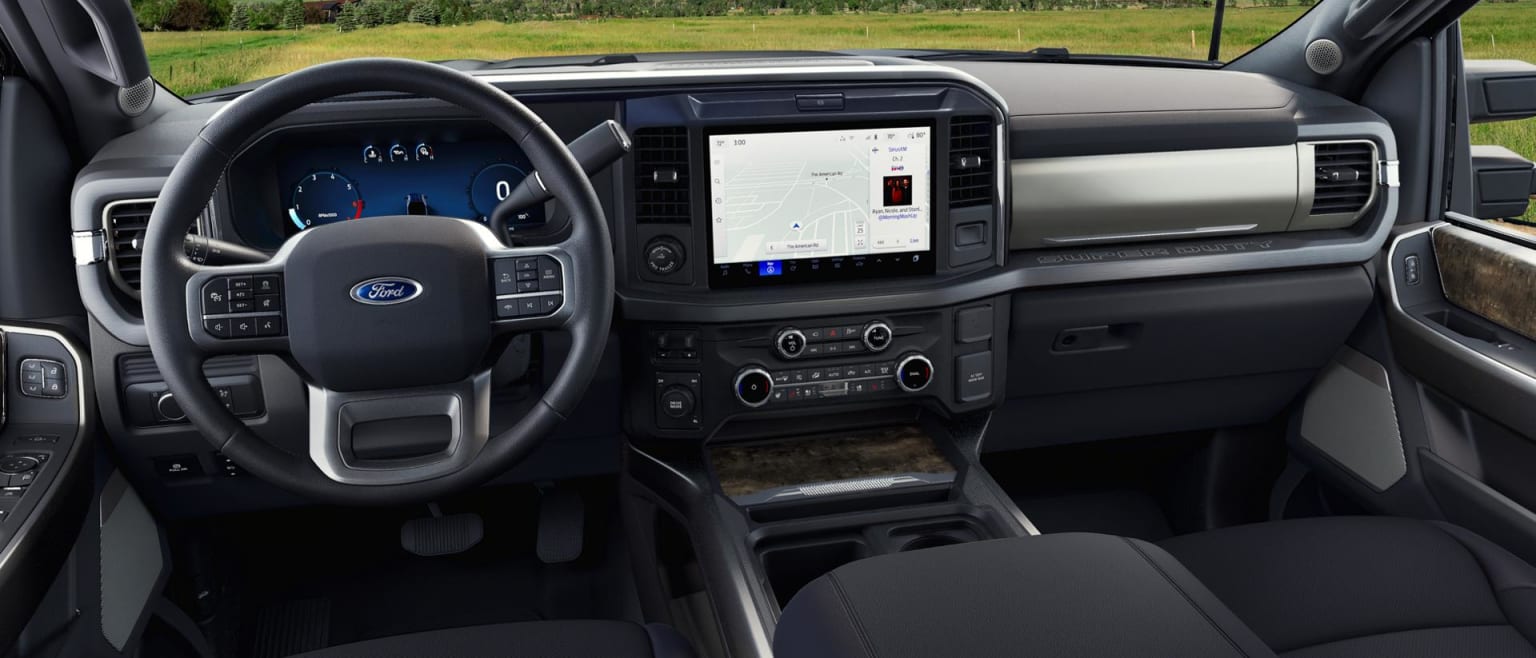
F-250 vs F-350 Payload Capacity 💪
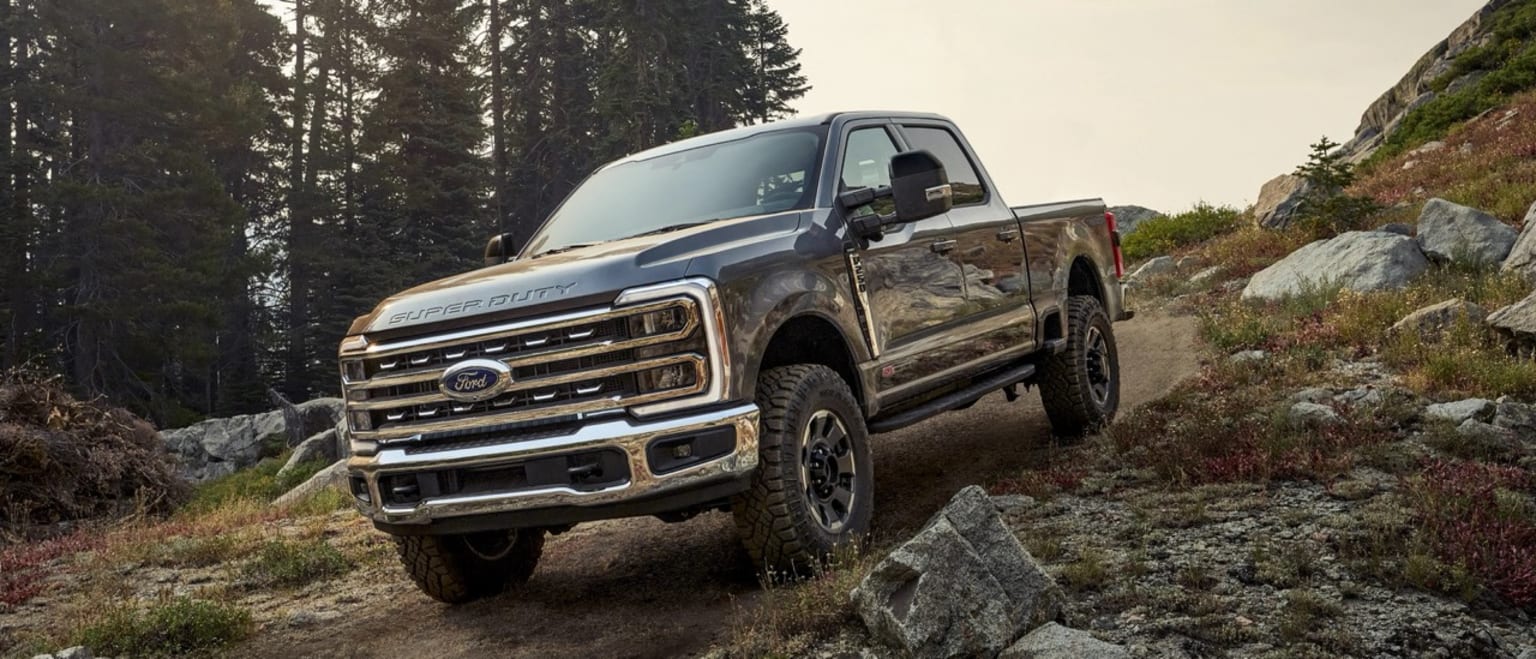
If your job (or lifestyle) involves heavy stuff in the bed, payload becomes the deciding factor fast.
F-350 typically gives you:
More payload headroom for toolboxes, bed loads, materials, and upfits
More comfort when you’re carrying a heavy load regularly (less “at the limit” feeling)
A better fit for businesses that run loaded trucks day after day
F-250 can still carry a lot, but if you’re frequently hauling heavy materials, running a service body, or stacking passengers + gear + trailer tongue weight, you’ll appreciate the F-350’s extra capacity.
💡 Pro tip: The only payload number that matters when comparing F-250 vs F-350 is the one on the driver’s door sticker (it’s VIN-specific). Two “F-250s” can have very different payload depending on cab, drivetrain, engine, and options.
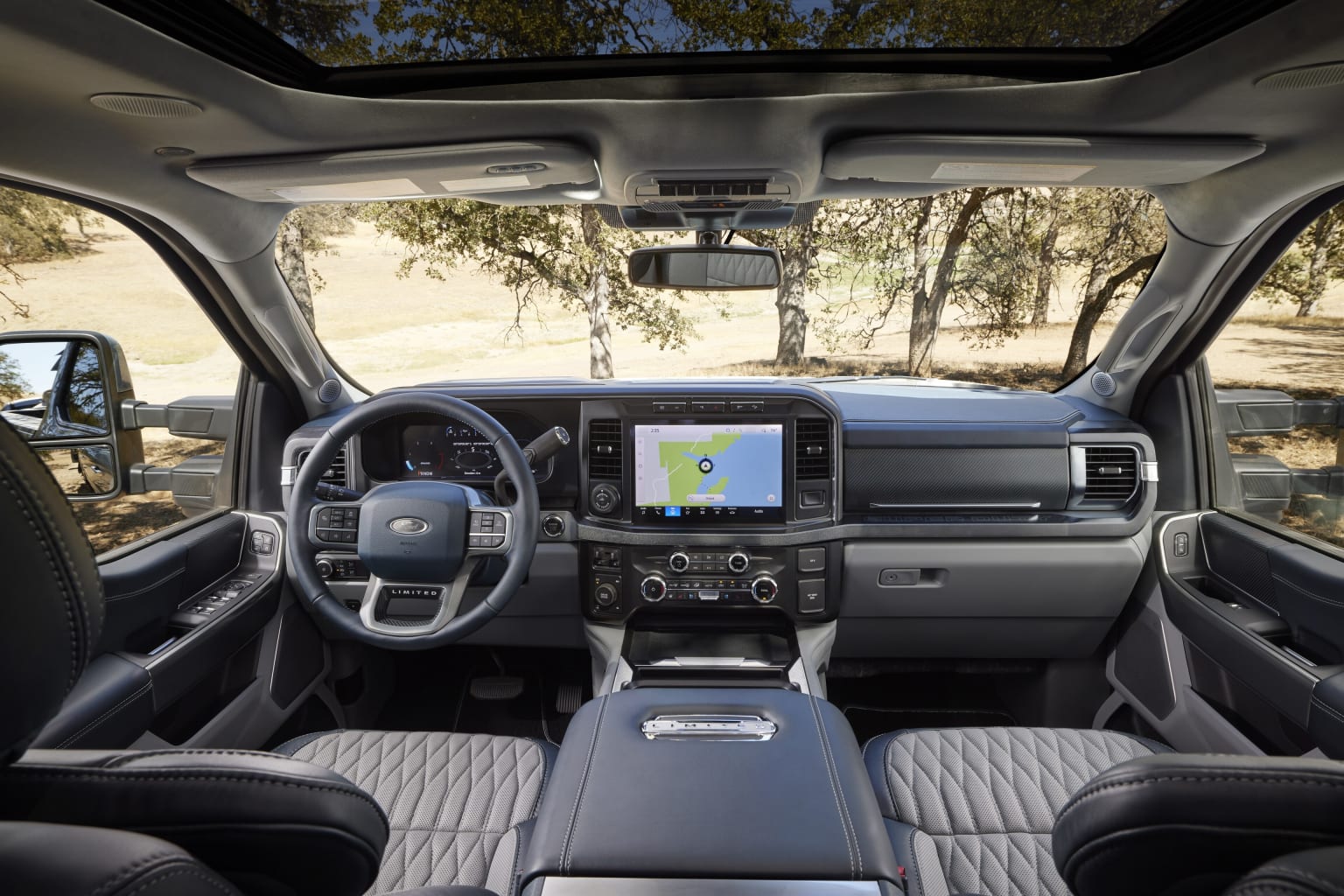
Best F-250 vs F-350 use cases (real-world)
Choose F-250 if…
You tow regularly, but you’re not hauling a heavy bed load every day
You want heavy-duty confidence with easier daily livability
You’re a weekend tower (boat/camper) who also wants a daily driver feel
You want a work truck that doesn’t feel oversized for normal errands
Choose F-350 if…
Your bed is loaded often (materials, tools, service bodies, heavy cargo)
You tow gooseneck/5th-wheel or tow heavy frequently
You want more “buffer” for real-world weight (people + gear + hitch weight)
You’re building a serious work rig (upfits, fleet duty, repeated heavy cycles)
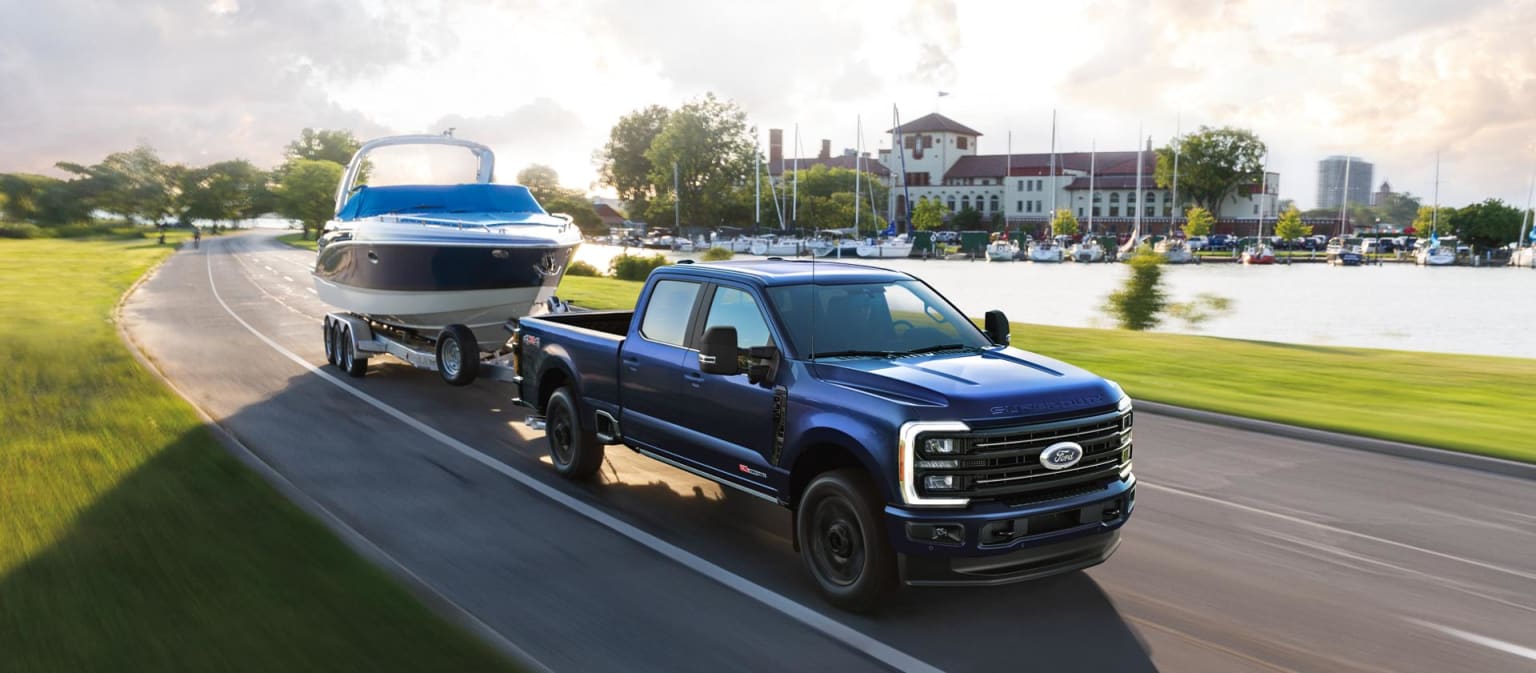
Which one should you choose? 🧠
If you’re still stuck on F-250 vs F-350, here’s the clean decision shortcut:
If your life is mostly towing and “some hauling,” the F-250 is often the perfect heavy-duty balance.
If your life is heavy hauling + heavy towing (or you want maximum headroom for business use), the F-350 is the smarter long-term choice.
Shop Super Duty at J.C. Lewis Ford Pooler
Want to compare F-250 vs F-350 Super Duty builds the right way? At J.C. Lewis Ford Pooler, we’ll help you match your trailer type, hitch setup, and real-world load to the right truck—then verify the exact F-250 vs F-350 payload capacity and F-250 vs F-350 towing capacity for the VIN you’re shopping.
Tell us what you tow, what you carry, and how often you do it—and we’ll point you to the Super Duty that fits like it was built for your job.
F-250 vs F-350 FAQs
Still weighing F-250 vs F-350? These quick answers cover the questions Super Duty shoppers ask most before choosing a configuration.