How Ford Aluminum Body Affects Strength, Repair, and Longevity
Lighter. Smarter. Still Built Ford Tough.
When Ford introduced its high-strength, military-grade aluminum alloy body, it sparked one of the biggest conversations in truck history. Could an aluminum Ford body really match the durability of traditional steel?
Years later, the answer is clear.
The Ford aluminum body isn’t about cutting corners: it’s about cutting weight while improving strength, efficiency, and long-term performance. If you’ve ever wondered how the Ford F-150 aluminum body holds up over time, how it affects repairs, or why Ford made the switch in the first place, this guide breaks it down.


When Did Ford Start Aluminum Body Construction? 💡
Ford first introduced the aluminum body on the F-150 for the 2015 model year. That means buyers have now had nearly a decade of real-world data on durability and ownership experience.
So, when did Ford start aluminum body production? Officially: 2015, with the F-150.
The aluminum Ford body move reduced overall truck weight by up to 700 pounds compared to the outgoing steel-bodied model. That wasn’t just a small tweak, it was a major engineering shift. And it paid off!
Aluminum vs Steel: What’s the Real Difference?
Here’s the simplified breakdown:
Aluminum Body:
Lighter
Corrosion resistant
Improves efficiency
Requires specialized repair
Steel Body:
Heavier
More prone to rust
Traditional repair familiarity
Ford chose aluminum because the performance and longevity benefits outweighed the transition challenges.
Why Ford Made the Switch
Ford didn’t adopt aluminum as a marketing gimmick. It was a strategic engineering decision driven by:
Stricter fuel efficiency standards
The need for improved performance
Advances in material science
Maintaining “Built Ford Tough” capability
By combining a high-strength steel frame with an aluminum body, Ford created a structure that delivers strength where it matters and weight savings where it benefits performance.
The result? Trucks that tow confidently, accelerate faster, and resist corrosion better.
Strength. Repair. Longevity.
The Real Questions Behind Ford’s Aluminum Body
Drivers wanted to know: Is it as tough as steel? Is it harder to fix? Will it last? Here’s what you need to know about how it performs, how it’s repaired, and how it holds up over time in the real world.
Strength
Is Aluminum Strong Enough? Short answer: Yes.
Ford didn’t swap steel for thin aluminum sheets. They engineered a high-strength, military-grade aluminum alloy specifically designed for automotive durability. At the same time, the frame remained high-strength steel, creating a hybrid structure that balances rigidity and weight reduction. This means:
Ford aluminum body vehicles resist rust better than traditional steel
The truck can tow and haul confidently
Reduced weight improves acceleration and braking
Structural integrity remains intact thanks to the steel frame
The aluminum Ford body doesn’t make the truck “weaker.” It makes it more efficient without compromising core toughness.
Repair
Is Aluminum Harder (or More Expensive) to Fix? This is one of the most common questions we hear regarding the Ford aluminum body.
Aluminum does require specialized repair tools and certified technicians, and cannot simply be repaired the same way traditional steel panels are. However:
Ford-certified collision centers are trained for aluminum repair
Many insurance companies now treat aluminum repairs as standard
Modern repair techniques have normalized costs over time
When aluminum first debuted in 2015, there were concerns about repair complexity. Today, the industry has adapted. Aluminum body repairs are now widely understood and professionally supported. At certified facilities, repairs are precise and structurally sound.
Longevity
How Does Aluminum Hold Up Over Time?
This is where aluminum shines. Unlike steel, aluminum does not rust in the traditional sense. It can oxidize, but it does not corrode the same way untreated steel does.
Benefits for long-term ownership include:
Reduced corrosion risk
Improved resale value
Better structural preservation in humid climates
Strong durability in coastal environments
For drivers in Georgia (especially near coastal regions) corrosion resistance is a real advantage. Over time, the Ford aluminum body can actually help preserve your vehicle’s condition.
The 3 Biggest Benefits of a Ford Aluminum Body
When Ford made the move to an aluminum Ford body, it was about improving how trucks perform, last, and feel on the road. Years later, the real-world advantages are clear. Here are the three biggest reasons aluminum continues to be a smart choice.
Reduced Weight = Better Performance & Efficiency
One of the most immediate benefits of the Ford aluminum body is weight reduction. By shedding hundreds of pounds compared to traditional steel construction, Ford improved more than just fuel economy. For the Ford F-150 aluminum body, this weight savings helped boost MPG ratings while maintaining strong towing and payload performance.
Lighter weight contributes to:
Better acceleration and throttle response
Shorter braking distances
Improved overall handling
Increased fuel efficiency
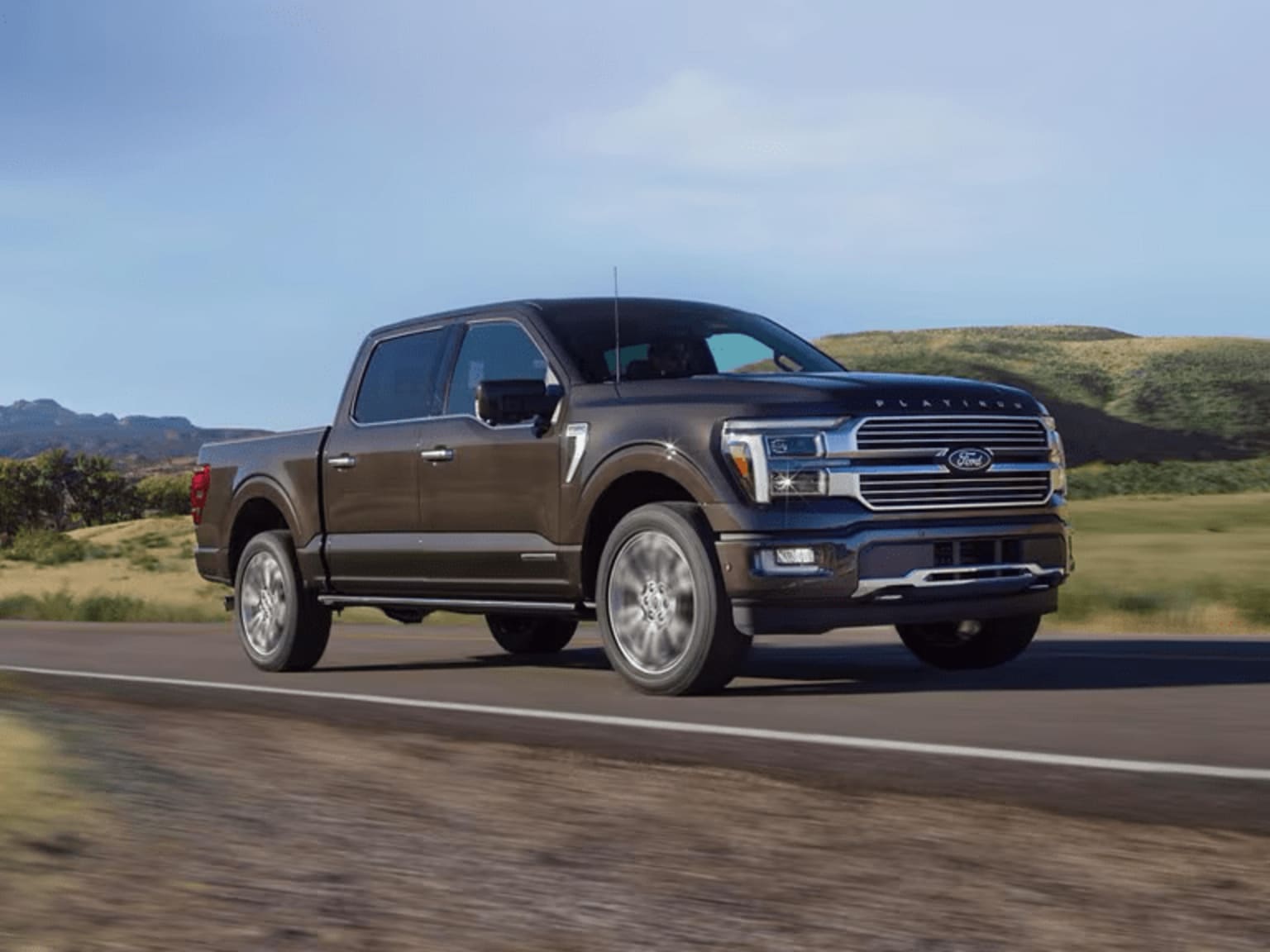
Performance Benefits of the Ford Aluminum Body
Reducing weight improves more than just fuel economy.
The lighter body allows:
Better fuel efficiency
Improved payload capacity
Enhanced towing efficiency
Sharper handling and responsiveness
For the Ford F-150 aluminum body, this weight savings directly contributed to improved MPG ratings and stronger performance across engine options.
Less mass = more efficiency without sacrificing capability.

Is an Aluminum Ford Body Right for You?
If you want:
Better fuel economy in a full-size truck
Reduced long-term corrosion concerns
Strong resale value
Proven durability with modern engineering
Then a truck with a Ford aluminum body is not only safe, it’s smart. The move to aluminum has been validated by years of real-world use, millions of trucks sold, and continuous engineering refinement.
Experience Aluminum Body Benefits First-Hand
If you’re considering a Ford F-150 aluminum body truck or any other Ford vehicle and want to see the quality up close, visit J.C. Lewis Ford Pooler. Our team can walk you through structural design details, towing and payload ratings, maintenance expectations, and more.
The Ford aluminum body isn’t a compromise, it’s an evolution. Come see why Ford made the change and why it works.
Frequently Asked Questions
The switch to a Ford aluminum body raised a lot of questions when it first launched, and our shoppers are still asking smart ones today.