Ford Payload Guide: What You Can Really Carry
Payload Prowess
When it comes to choosing the right truck, payload is one of the most misunderstood (and most important) numbers to know. This Ford payload guide breaks down what your Ford trucks payload actually means, how to calculate it, and what real-world hauling looks like across today’s models.
At J.C. Lewis Ford Pooler, we help drivers match capability to real needs every day. Let’s make payload simple and useful.
Ford Truck Payload: The Real-World Breakdown 💡
When you see a payload number in a Ford payload guide, it’s not theoretical; it’s the maximum combined weight your truck can handle without compromising safety or performance.
Ford truck payload includes:
Everything in the bed
Passengers and cargo in the cab
Accessories like toolboxes or bed covers
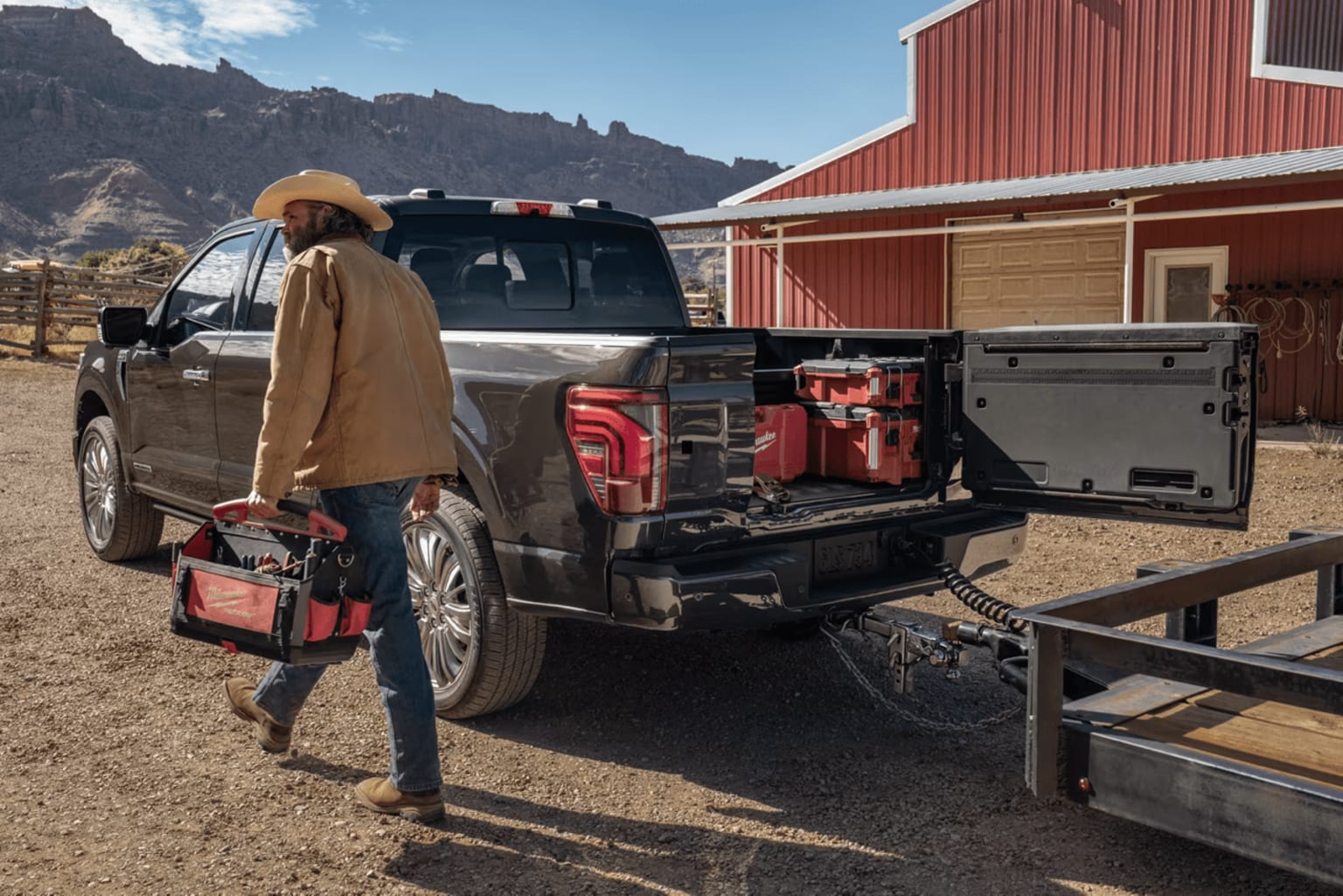
Trailer tongue weight (if towing)
This is why your Ford’s payload guide numbers matter more than just “bed space.” Two trucks can look identical, yet carry very different loads safely.
👉 Pro tip: While Ford payload guides are helpful, the most accurate payload rating for any truck is on the driver-side door jamb sticker.
Choosing the Right Ford Truck Payload for Your Needs
If you regularly hit the higher ranges, upgrading configuration (or stepping into a heavier-duty truck beyond the Ford F-150’s payload capacity) can make a big difference. Use this quick Ford payload guide:
Light Duty (under ~1,500 lbs):
Home improvement supplies
Furniture
Weekend gear
Medium Duty (1,500–2,500 lbs):
Landscaping materials
Construction equipment
Trailer tongue weight + passengers
Heavy Duty (2,500+ lbs):
Large crews + tools
Frequent towing with heavy tongue weight
Commercial or worksite use
How Payload Changes by Truck Configuration 🛻
One of the biggest surprises for truck shoppers is how much payload changes based on configuration. Two Ford trucks with the same name can have very different Ford payload guide ratings depending on how they’re built.
What Impacts Ford Truck Payload the Most:
Cab Size
Regular Cab = highest payload
SuperCab = moderate payload
Crew Cab = lowest payload (more interior weight)
Drivetrain
2WD models typically offer higher payload than 4WD
4WD adds capability but also weight
Engine Choice
Lighter engines generally allow for more payload
Heavier, higher-output engines can slightly reduce payload
Trim Level & Options
Luxury features, panoramic roofs, power seats, and technology packages all count against payload
Work-focused trims usually offer higher payload ratings
Common Payload Mistakes to Avoid 🧠
Forgetting passengers count toward payload
Ignoring hitch weight when towing
Assuming all trucks of the same model carry the same load
Overloading with accessories before accounting for cargo
Understanding your Ford’s payload guide upfront helps prevent wear, handling issues, and safety risks.

Payload vs Bed Size: Bigger Bed ≠ Bigger Payload
A common misconception is that a longer or larger bed automatically means more payload. In reality, bed size does not determine payload capacity.
What Actually Determines Payload:
Gross Vehicle Weight Rating (GVWR)
Curb weight of the truck
Installed options and equipment
You can have:
A long-bed truck with lower payload due to trim and options
A shorter-bed truck with higher payload due to lighter configuration
Payload (including the Ford F-150’s payload capacity) is about total weight, not how much space you have to fill. This is why understanding payload matters more than just bed dimensions.

Ford Truck Payload by Model (Quick Reference)
Ford publishes payload ratings as maximum “up to” figures when trucks are properly equipped. Here’s how today’s Ford trucks compare.
Ford Payload Guide by Model:
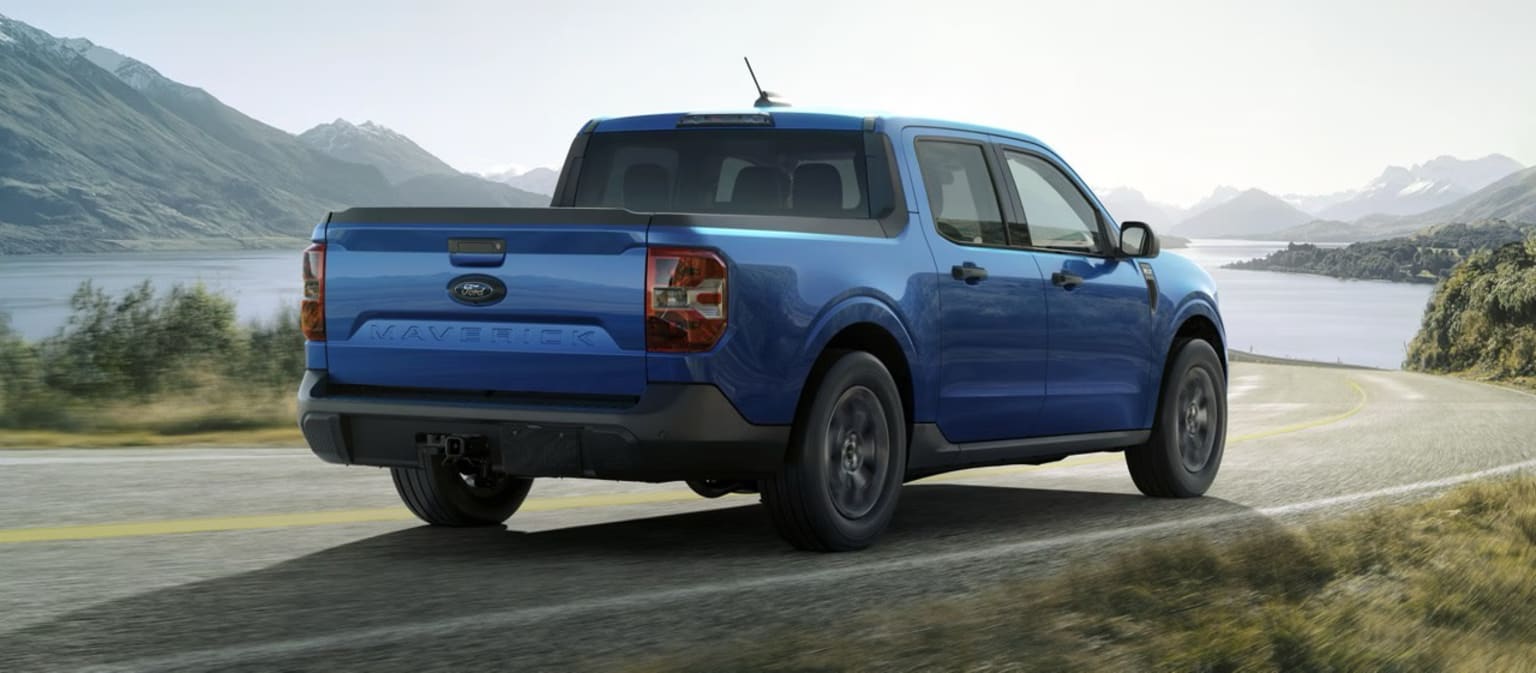
Ford Maverick:
Up to 1,500 lbs of payload
Ideal for light hauling, home projects, and daily utility
Ford Ranger:
Up to 1,800+ lbs of payload
Strong midsize option with added capability
Ford F-150:
Up to 3,300+ lbs of payload when properly equipped
One of the highest payload ratings in the half-ton segment
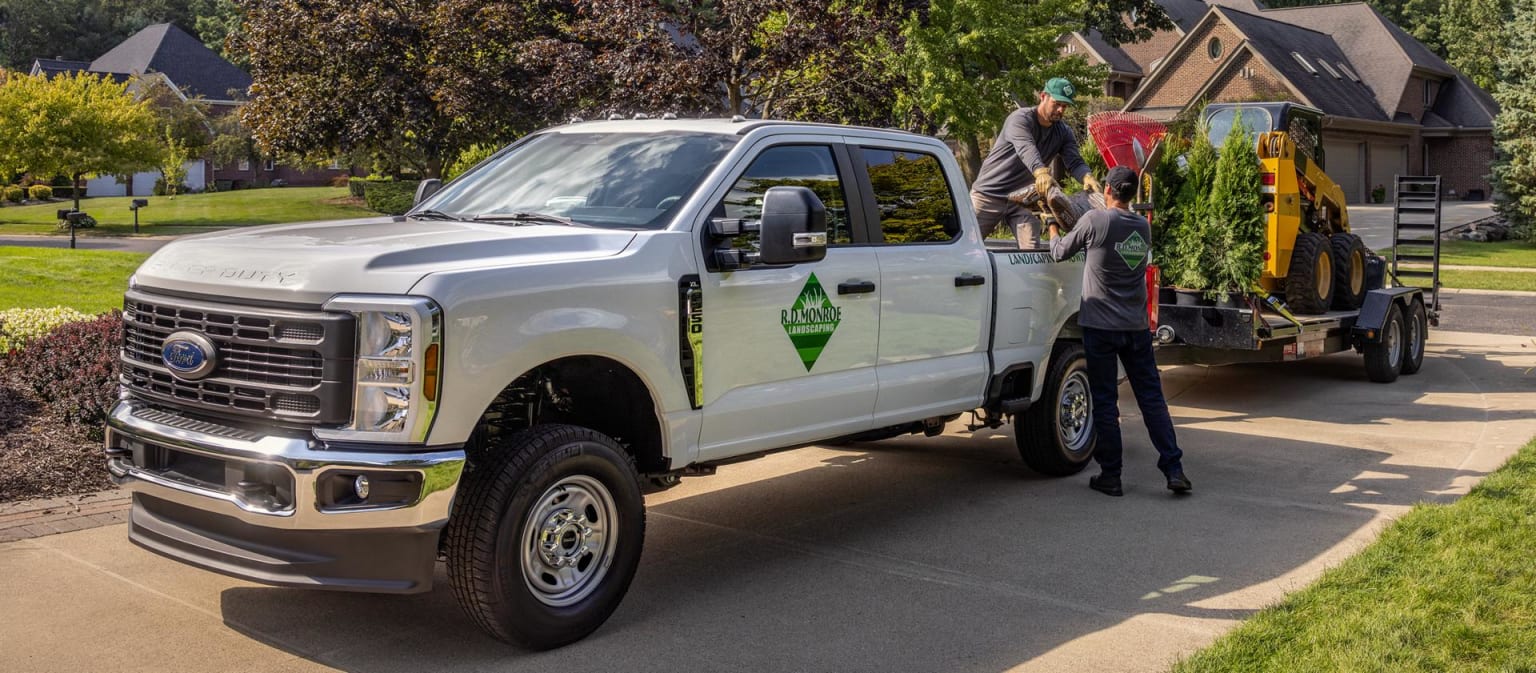
Ford Super Duty (F-250/F-350):
Payload ratings climb significantly higher depending on configuration
Designed for commercial, heavy-duty, and jobsite demands
Ford F-150 Payload Capacity Explained
Its no surprise that many of our shoppers choose the F-150 for their everyday payload needs. The Ford F-150 payload capacity varies by configuration, but when properly equipped, this truck can carry over 3,000 pounds. That’s more than many drivers expect from a half-ton truck.
What Impacts F-150 Payload?
Engine choice
Cab style (Regular, SuperCab, Crew Cab)
Bed length
Drivetrain (2WD vs 4WD)
Trim level and added options
Real-world examples of F-150 payload use:
A full pallet of sod or mulch
Construction tools plus a jobsite crew
ATVs or motorcycles in the bed
Camping gear and coolers for long trips
Payload vs Towing: Don’t Confuse the Two
Payload and towing are related, but they’re not the same.
Payload = weight on the truck
Towing = weight behind the truck
Here’s the catch: trailer tongue weight counts against payload. If you’re towing, your payload capacity drops accordingly. This is why understanding your Ford’s payload guide is critical for safe trailering.
Carry More. Worry Less.
Choosing the right truck starts with knowing how you’ll actually use it. At J.C. Lewis Ford Pooler, our team can walk you through Ford payload guide ratings, configurations, and real-world examples so you drive away confident, not guessing.
Visit us in Pooler or browse our Ford truck inventory online to find the right balance of power, payload, and everyday usability.
Shop Trucks
Ford Payload Guide FAQs
Payload can be confusing, especially when comparing different Ford trucks and configurations. Still have questions after reading our Ford payload guide? Get in touch with our team today!