4WD vs AWD Difference: Which One Fits Your Driving?
Understanding the AWD vs 4WD is one of the most important steps in choosing the right Ford for your lifestyle. While both systems send power to all four wheels, they’re designed for very different driving situations, and choosing the wrong one can mean paying for capability you don’t actually use.
In this guide, we’ll break down the AWD vs 4WD difference, explain how Ford uses each system across its lineup, and clearly lay out the pros and cons of AWD vs 4WD so you can decide with confidence.
What Is AWD (All-Wheel Drive)?
All-wheel drive is designed for on-road confidence and everyday driving. AWD systems automatically distribute power between the front and rear wheels based on traction needs, without requiring any driver input.
In Ford vehicles, AWD is commonly found on SUVs and crossovers that prioritize comfort, safety, and all-weather capability.
AWD is especially useful for:
Rain-soaked roads
Light snow or slippery conditions
Daily commuting and highway driving
One key advantage in the AWD vs 4WD difference is simplicity; AWD works quietly in the background, giving you extra confidence without changing how you drive.
What Is 4WD (Four-Wheel Drive)?
One of the main AWD vs 4WD differences is that four-wheel drive is built for tougher conditions and demanding use. Unlike AWD, 4WD systems are typically driver-controlled and designed to handle off-road terrain, loose surfaces, and heavy-duty work.
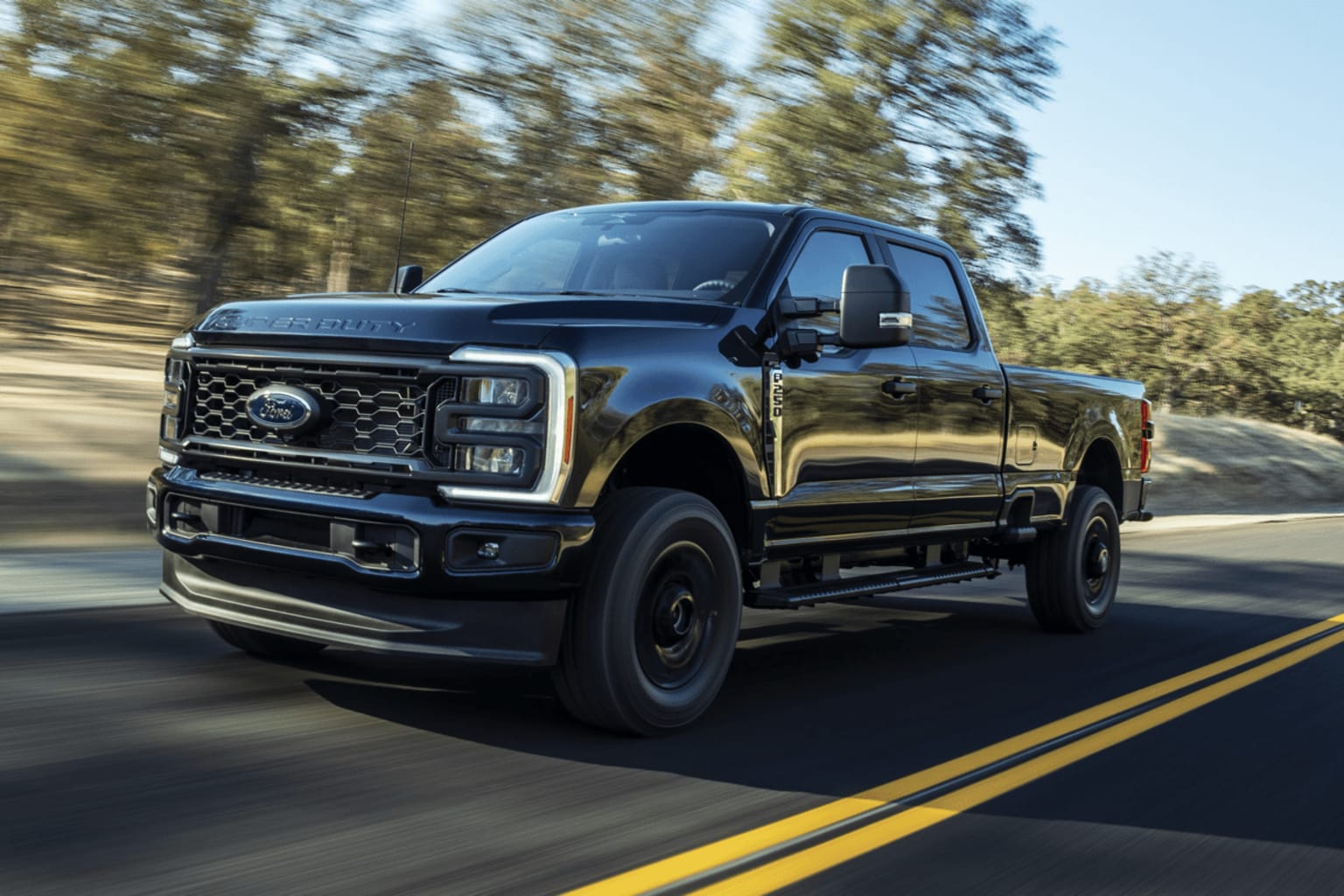
Ford 4WD systems are most often found on trucks and rugged SUVs built for towing, hauling, and trail use.
4WD is ideal for:
Mud, sand, and dirt roads
Off-road trails and uneven terrain
Boat ramps and worksites
Towing in challenging conditions
Many 4WD systems also include a low-range mode, which provides extra torque at low speeds when traction really matters.
AWD vs 4WD: The Real Difference in Daily Use 🛞
The biggest AWD vs 4WD difference comes down to how and when power is delivered.
AWD systems are always ready and automatically adjust to changing road conditions, making them perfect for drivers who want extra traction without thinking about it. 4WD systems require more involvement but deliver greater control when conditions get rough.
This distinction is why AWD is favored for family SUVs and daily drivers, while 4WD remains the go-to choice for trucks and off-road-focused vehicles.
Pros and Cons of AWD vs 4WD
Understanding the pros and cons of AWD vs 4WD helps narrow down which system fits your needs.
AWD advantages include smoother operation, better fuel efficiency, and excellent on-road traction. The tradeoff is that AWD isn’t designed for deep mud, sand, or heavy off-road use.
4WD advantages include maximum traction, off-road capability, and improved control when towing or driving on loose surfaces. The downside is added complexity and reduced fuel efficiency compared to AWD.
💡 Despite these AWD vs 4WD differences, neither system is “better” overall. They’re simply built for different jobs.
Which Ford Vehicles Use AWD vs 4WD?
Ford matches each drivetrain to the vehicle’s purpose.
AWD is commonly available on Ford SUVs designed for daily driving and family use, while 4WD is standard or optional on trucks and off-road-capable models built for work and adventure.
Understanding AWD vs 4WD differences and choosing the right system isn’t about getting the most capability, it’s about getting the right capability.
AWD vs. 4WD: Which One Should You Choose?
If your driving is mostly paved roads with occasional bad weather, AWD is likely the smarter, more efficient choice. If you regularly tow, drive off pavement, or need maximum traction in unpredictable conditions, 4WD will serve you better.
The best way to decide between the AWD vs 4WD differences is to think about where you drive most, not where you might drive once or twice a year.
Find the Right Ford Drivetrain at J.C. Lewis Ford Pooler
At J.C. Lewis Ford Pooler, our team helps drivers understand the real-world AWD vs 4WD difference so they can choose a Ford that fits their lifestyle, not just a spec sheet.
Whether you’re comparing daily drivers or rugged work trucks, we’re here to help you explore the pros and cons of AWD vs 4WD and drive home confident in your decision
Ford Drivetrain FAQ
What is AWD vs 4WD?
The AWD vs 4WD difference comes down to how power is delivered to the wheels. AWD systems automatically send power where it’s needed for everyday traction and on-road driving, while 4WD systems are designed for tougher conditions and are typically engaged by the driver for off-road use, towing, or loose surfaces.
What are the maintenance requirements for AWD vs 4WD?
AWD systems generally require less maintenance because they operate automatically and are built for daily driving. 4WD systems can require additional maintenance due to transfer cases and additional drivetrain components, especially if they’re used frequently in off-road or heavy-duty conditions.
When should you use AWD and 4WD?
AWD is best used all the time for changing road conditions like rain or light snow. 4WD should be used when driving off pavement, on muddy or sandy surfaces, or when extra traction is needed, and typically disengaged during normal dry-road driving.
Which is better: AWD or 4WD?
Neither is universally better. AWD is ideal for drivers who want simple, all-weather confidence for daily use, while 4WD is better for drivers who need maximum traction for work, towing, or off-road adventures. The right choice depends on how and where you drive.